Growing Oyster Mushrooms in a Bucket! (Super Easy Method) 🍄👇

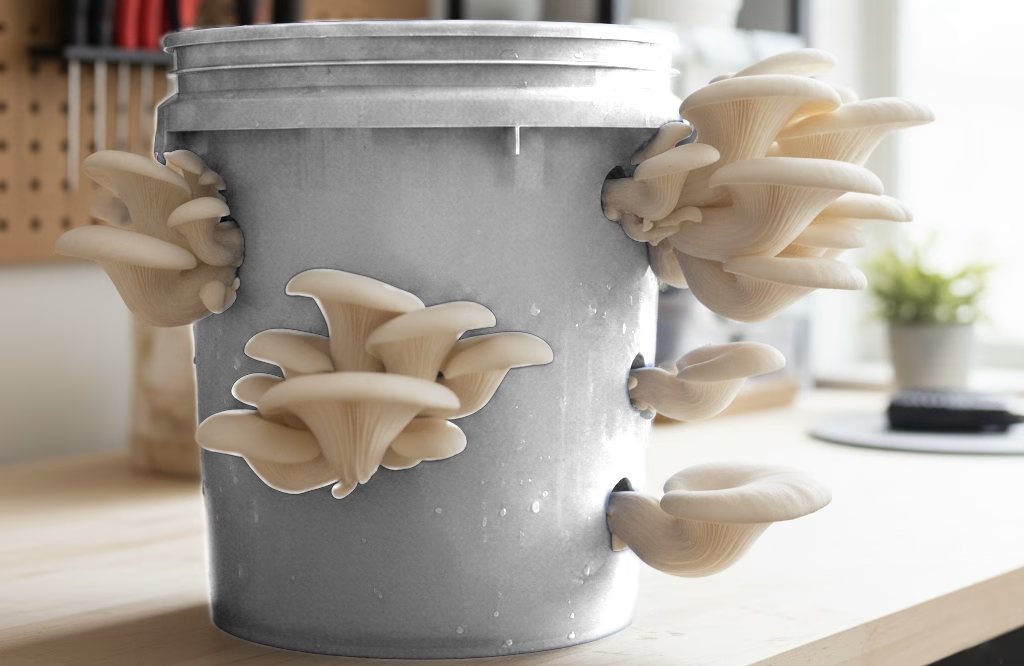
Oyster Mushroom

Want to grow fresh, gourmet oyster mushrooms at home but don’t have an expensive lab or a fancy grow tent? In this article, we break down the ultimate, foolproof beginner’s guide to growing pounds of delicious oyster mushrooms using a simple 5-gallon plastic bucket!

This “low-tech” method is perfect for home gardeners, urban farmers, and absolute beginners. We skip the complicated, expensive equipment and show you a brilliant, budget-friendly shortcut to pasteurize your substrate using everyday hardwood pellets and boiling water.

From drilling the bucket to harvesting your first massive cluster, you’ll get the exact step-by-step process to guarantee success.

The Biggest Mistake People Make When Planting Mint ❌ in Pots (And How to Fix It)

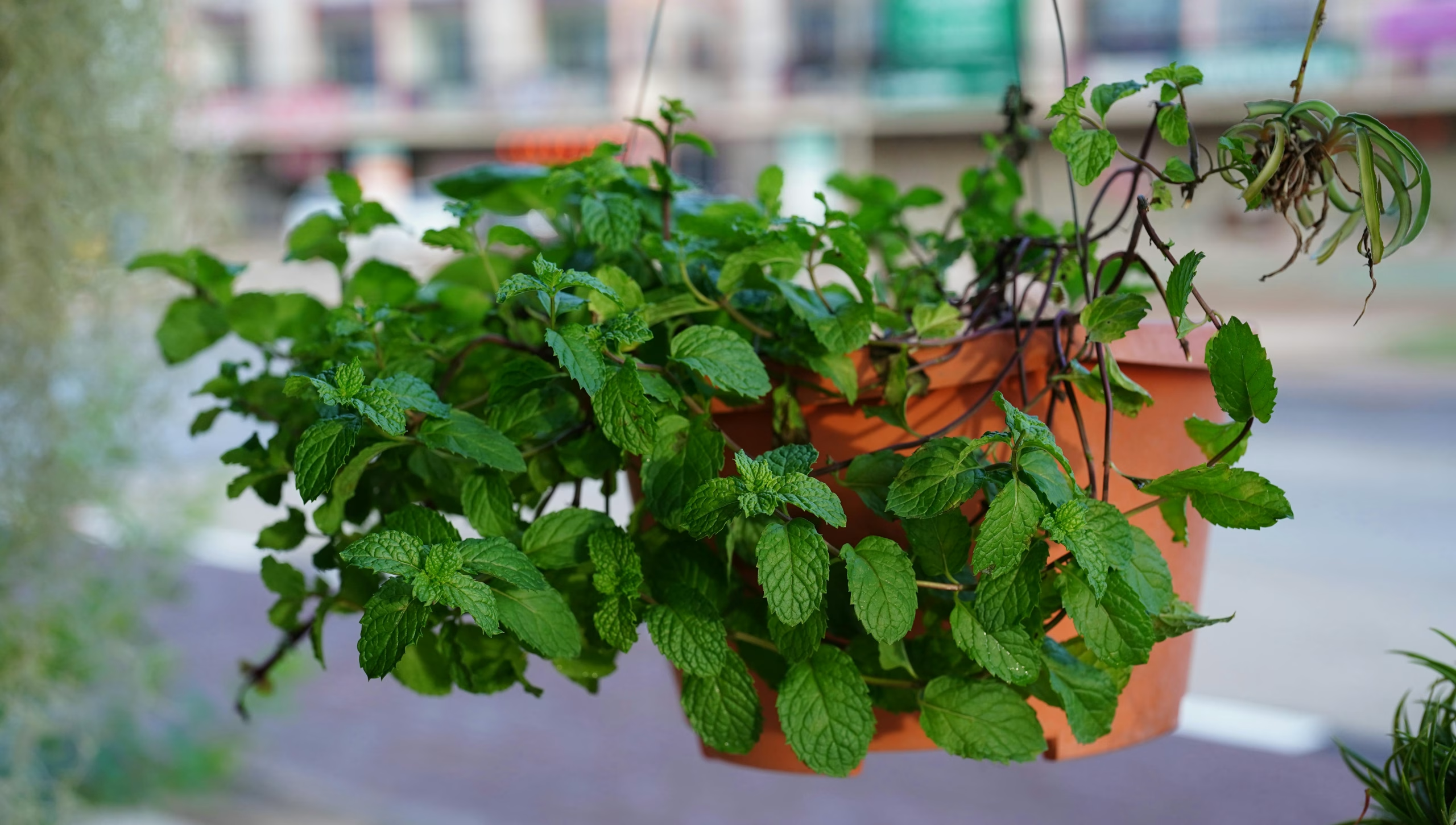
Mint

Think growing mint in a pot is foolproof? Think again! ❌ While moving mint to a container saves your yard from a crazy invasion, treating it like a normal houseplant is the #1 reason your potted mint is dying, turning woody, or growing tiny, bitter leaves.

In this article, we uncover the absolute biggest mistake people make when planting mint in pots (hint: it’s all about how the roots grow!). We’ll show you the simple pot swap that guarantees an endless, lush harvest, the secret to watering container herbs, and how to prune your mint so it grows back twice as bushy every single time.

Growing Lemongrass From Groceries: How To Establish A Thriving Backyard Tea Garden

Growing Lemongrass

Stop throwing away your grocery scraps! We’re diving into the ultimate garden hack: turning a $2 bundle of supermarket lemongrass into a massive, perennial tea garden. 🍵🌱

Most people don’t realize that those culinary stalks sitting in the produce aisle are packed with dormant energy. I’ll show you exactly how to identify the “winners” at the store, how to prep them to “wake up” the root nodes, and the precise water-rooting technique to ensure 100% success without the rot.

Never Buy Pandan Again: The Secret to a Lifetime Supply of Pandan Leaves! 🌿

Pandan Leaves Screwpine

Ever wondered what gives Southeast Asian desserts that heavenly, “Vanilla of the East” aroma? It’s Pandan—and today, I’m showing you exactly how to grow an endless supply of it right at home, even if you only have a small balcony!

In this comprehensive guide, we cover everything from propagating baby suckers to mastering the “Goldilocks” lighting that Pandan loves. Stop overpaying for wilted store-bought leaves and start your own fragrant home garden.

🌿 The “Curry Leaf Secret”: How to Grow a Lush, Fragrant Curry Leaf Tree

Curry Leaf Tree

Transforming a struggling curry leaf plant into a lush, fragrant “jungle” requires moving beyond basic watering and embracing traditional, “old-school” horticultural secrets. By utilizing acidic boosters like sour buttermilk, mastering the art of “hard pruning” to trigger dormant growth nodes, and supplementing with magnesium and iron, you can eliminate yellowing leaves and leggy stems forever. Furthermore, protecting the plant from “cold feet” with terracotta pots and harvesting entire stalks rather than individual leaves ensures a bushy, resilient profile. These professional hacks transition the Murraya koenigii from a finicky tropical guest to a thriving, pest-resistant staple of your home garden.

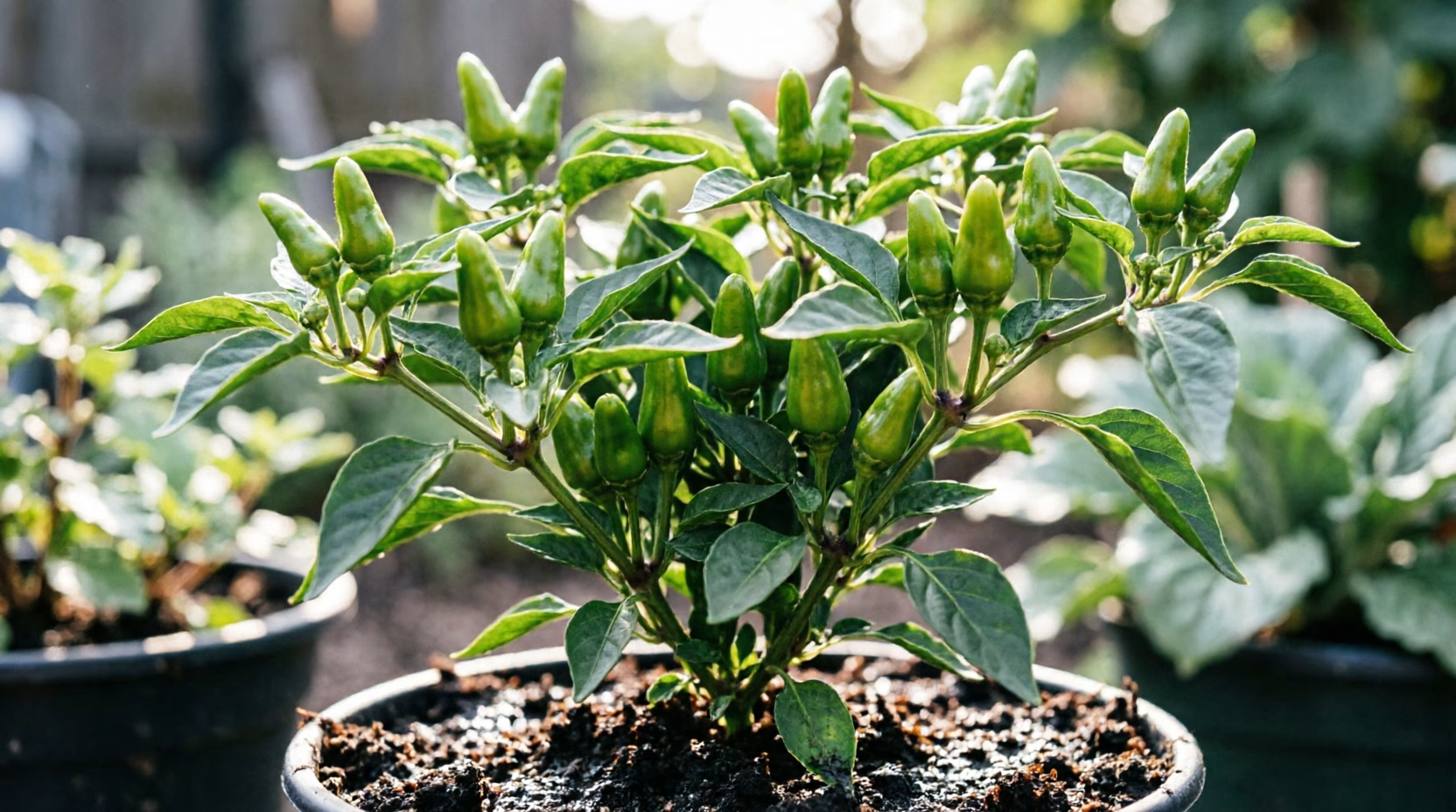
Speed Up Chili Padi Flowering

Speed Up Chili Padi Flowering

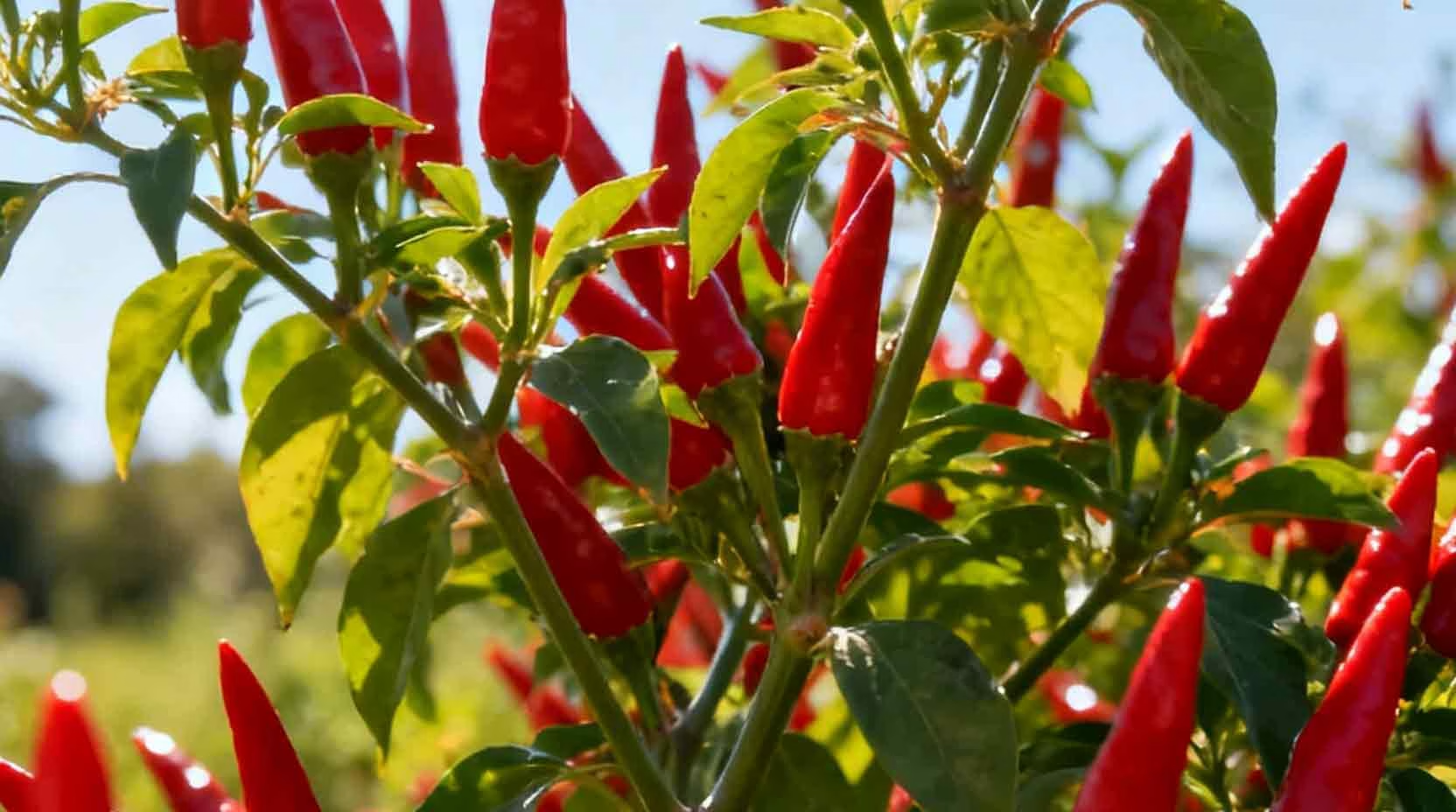
If you’re staring at a lush, green chili padi plant that refuses to bloom, it might be time to stop being so nice to it. While it sounds counterintuitive, chili padis often thrive on “strategic neglect.” Over-fertilizing with nitrogen promotes beautiful foliage but leaves you with zero spice. To flip the switch, transition to a phosphorus-rich “bloom” fertilizer and try the drought-stress method: let the soil dry out until the leaves just begin to wilt before watering. This minor environmental pressure triggers the plant’s survival instinct, forcing it to prioritize reproduction—which means more flowers and, eventually, a much hotter harvest.

Beyond just stressing the plant, architecture and pollination are the final pieces of the puzzle. Ensure your plant is getting at least six to eight hours of direct, unfiltered sunlight to fuel the energy-intensive flowering process. If your plant is growing tall and lanky, pinch off the top growth to encourage a “Y” shape branching pattern, effectively doubling your flowering sites. Finally, if you notice flowers appearing only to fall off prematurely, give the stems a gentle shake or a literal “buzz” with an electric toothbrush. This mimics the vibration of a bee’s wings, ensuring successful pollination and turning those tiny white buds into the fiery peppers you’ve been waiting for.
Why the Chilli Padi are not turning red?

Chilli Padi are not turning red

It can be frustrating when those chilies stay stubborn and green, especially when you’re looking forward to that signature heat. Typically, Chilli Padi (Bird’s Eye Chili) takes anywhere from 60 to 90 days after transplanting to reach full maturity and change color.

If your plants look healthy but the Chilli Padi are stuck in “green mode,” here are the most likely reasons…

The Ultimate Guide to Growing Chilli Padi at Home

The Ultimate Guide to Growing Chilli Padi at Home

Cultivating the perfect Chili Padi at home requires a shift from passive gardening to strategic intervention, starting with the “Bushy Plant” secret. Most home growers allow their plants to grow tall and thin, resulting in a fragile stem and a meager harvest. By simply pinching off the top growing tip once the seedling reaches 20cm, you disrupt its vertical dominance and force the plant to develop a robust, lateral canopy. This structural change creates a denser network of branches, providing a significantly larger surface area for flowering and, ultimately, a much higher yield of fiery peppers from a single container.

Beyond structural pruning, the true “Master Gardener” edge lies in the deliberate management of environmental stress and soil chemistry. While these plants crave the intensity of six hours of direct tropical sunlight, their flavor profile is dictated by your watering can. By strategically reducing water once the chilis have fully formed, you induce a mild stress response that spikes capsaicin production, ensuring your home-grown harvest packs a superior punch compared to store-bought varieties. Combined with a calcium-rich potting mix to prevent blossom end rot, this technical approach ensures your balcony garden produces professional-grade chilis that are as healthy as they are hot.

5 Insider Secrets from Master Gardeners for a Massive Cherry Tomato Harvest

5 Insider Secrets for Planting Cherry Tomato

Growing cherry tomatoes is one of the most rewarding “quick wins” for any home gardener. These tiny flavor bombs are more resilient and prolific than their larger beefsteak cousins, but if you want a harvest that overflows your baskets, you need to move beyond basic watering.

Here is a refined, master-level guide to growing professional-grade cherry tomatoes at home…